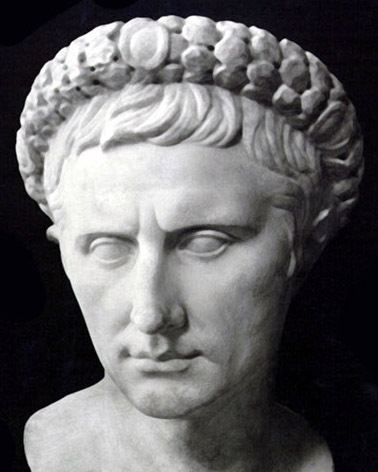
· 50th Great Grandfather
Pontius Pilate
3 BC - 39 ADPontius Pilate, identified in the supplied material as the 50th great-grandfather, was the fifth governor of the Roman province of Judaea under Emperor Tiberius. He served from 26/27 to 36/37 AD and is chiefly known in Christian accounts for presiding over the trial of Jesus and ordering his crucifixion. Ancient writers described conflict between his administration and the Jewish population, and Josephus connected his removal from office with the violent suppression of an armed Samaritan movement at Mount Gerizim.
Pontius Pilate, whose name appears in Latin as Pontius Pilatus and in Greek as Pontios Pilatos, is given the life dates 3 BC to 39 AD. He is identified in the family-tree material as the 50th great-grandfather, although no relationship path or supporting family evidence was supplied.Pilate was the fifth governor of the Roman province of Judaea. He served under Emperor Tiberius from 26/27 to 36/37 AD.
During his administration, the Jewish historian Josephus and the philosopher Philo of Alexandria recorded incidents of tension and violence involving Pilate's government and the Jewish population. The supplied material states that many of these incidents involved actions that offended Jewish religious sensibilities.
Pilate is best known for his role in the trial and crucifixion of Jesus. The Christian Gospels state that he presided over Jesus' trial and ordered the crucifixion during his term of office. Josephus and the Roman historian Tacitus also appear to have recorded this event.
According to Josephus, Pilate was removed from office after violently suppressing an armed Samaritan movement at Mount Gerizim. The legate of Syria sent him to Rome to answer for the matter before Tiberius, but Tiberius died before Pilate arrived.
Historical context
Pilate governed Judaea as part of the Roman Empire during the reign of Tiberius. The surviving accounts named in the supplied material portray a period of serious friction between Pilate's administration and the Jewish population. His association with the trial and crucifixion of Jesus made him a central figure in the Christian Gospel narratives, while Josephus's account links the end of his governorship to events involving Samaritans at Mount Gerizim.
Sources & research
Josephus: Identified in the supplied notes as a Jewish historian who recorded tensions involving Pilate's administration, the crucifixion of Jesus, and Pilate's removal after the Samaritan movement at Mount Gerizim.
Philo of Alexandria: Identified in the supplied notes as a philosopher who recorded incidents of tension and violence involving Pilate's administration.
Christian Gospels: Identified in the supplied notes as recording Pilate's role in the trial and crucifixion of Jesus.
Tacitus: Identified in the supplied notes as a Roman historian who appears to have recorded the crucifixion of Jesus.
Original Family Tree Maker Notes: Supplied biographical summary; no specific editions, passages, or publication details were provided.