Barbara’s family
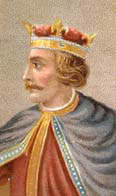
Henry I King of England
King of England
SEP 1068 – 1 DEC 1135 · 23rd great-grandfatherHenry I, identified in this family tree as a 19th great-grandfather, was king of England from 1100 until his death on 1 December 1135. The supplied notes describe him as the youngest and most able son of William the Conqueror and credit his reign with strengthening royal authority and developing royal administration.
Henry I was reportedly born in England in 1068 or 1069, the fourth son of William the Conqueror. By the time his elder brother William became king, another older brother had died, leaving Robert as the only other potential successor.
William was killed in a hunting accident in August 1100. A few days later, Henry had himself crowned king while Robert was absent on crusade. His position was initially precarious because a number of barons supported Robert. Henry sought support by granting favours, abolishing abuses, and making wide-ranging concessions in his Charter of Liberties. In November 1100, he married Edith, sister of the king of Scotland, to secure his northern border.
Robert invaded England in 1101. With popular and baronial support, Henry agreed to an amicable settlement under which Robert relinquished his claim in return for Henry's territories in Normandy and a large annuity. Robert's troubled rule in Normandy later led Henry to invade. Henry defeated Robert's army at Tinchebrai in 1106, captured Robert, and held him prisoner for life.
Henry's frequent absences from England were accompanied by the development of a bureaucracy able to function effectively without his presence. The supplied notes describe his reign as an important movement away from personal monarchy toward a more bureaucratised state. The exchequer was developed to manage royal revenues, and royal justices began travelling through the shires to reinforce local administration and investigate revenues, often aggressively.
Henry's Norman possessions were challenged by Robert's son, William Clito. Henry repelled two assaults by Clito's supporters and Norman barons who resented Henry's officials and high taxes. By 1120, the barons had submitted. Henry's only legitimate son, William, had married the daughter of the powerful Count of Anjou, and Louis VI of France had agreed to peace after defeat in battle.
In November 1120, Henry's son William died in a shipwreck. Thereafter, the succession became the central political question of Henry's reign. Henry summoned his only other legitimate child, Matilda, back to England and required his barons to pay homage to her as his heir. In 1128, Matilda married Geoffrey Plantagenet, another member of the Angevin family. The supplied notes state that English barons did not wish to be ruled by a woman and an Angevin. After Henry's death on 1 December 1135, a succession crisis led to civil war.
William was killed in a hunting accident in August 1100. A few days later, Henry had himself crowned king while Robert was absent on crusade. His position was initially precarious because a number of barons supported Robert. Henry sought support by granting favours, abolishing abuses, and making wide-ranging concessions in his Charter of Liberties. In November 1100, he married Edith, sister of the king of Scotland, to secure his northern border.
Robert invaded England in 1101. With popular and baronial support, Henry agreed to an amicable settlement under which Robert relinquished his claim in return for Henry's territories in Normandy and a large annuity. Robert's troubled rule in Normandy later led Henry to invade. Henry defeated Robert's army at Tinchebrai in 1106, captured Robert, and held him prisoner for life.
Henry's frequent absences from England were accompanied by the development of a bureaucracy able to function effectively without his presence. The supplied notes describe his reign as an important movement away from personal monarchy toward a more bureaucratised state. The exchequer was developed to manage royal revenues, and royal justices began travelling through the shires to reinforce local administration and investigate revenues, often aggressively.
Henry's Norman possessions were challenged by Robert's son, William Clito. Henry repelled two assaults by Clito's supporters and Norman barons who resented Henry's officials and high taxes. By 1120, the barons had submitted. Henry's only legitimate son, William, had married the daughter of the powerful Count of Anjou, and Louis VI of France had agreed to peace after defeat in battle.
In November 1120, Henry's son William died in a shipwreck. Thereafter, the succession became the central political question of Henry's reign. Henry summoned his only other legitimate child, Matilda, back to England and required his barons to pay homage to her as his heir. In 1128, Matilda married Geoffrey Plantagenet, another member of the Angevin family. The supplied notes state that English barons did not wish to be ruled by a woman and an Angevin. After Henry's death on 1 December 1135, a succession crisis led to civil war.
Historical context
Henry's reign, as described in the supplied notes, included conflict over the English and Norman succession, the consolidation of royal revenue and justice, and continuing rivalry involving Normandy, Anjou, and France. The death of his only legitimate son in 1120 left the succession unsettled and contributed to the crisis that followed Henry's death.